Showing posts with label RPS judge. Show all posts

July 31, 2010

RPS Photography Critique

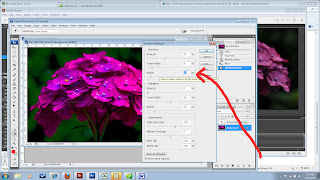
Jim Morgenthaler of Athens, Georgia judged the photography critique for the Roswell Photo society on July 12. I learned an important new skill during his comments. He said we should be using the Shadows/Highlights feature. Select the following from the main screen in Photoshop:

Image
Adjustment
Shadows/Highlights

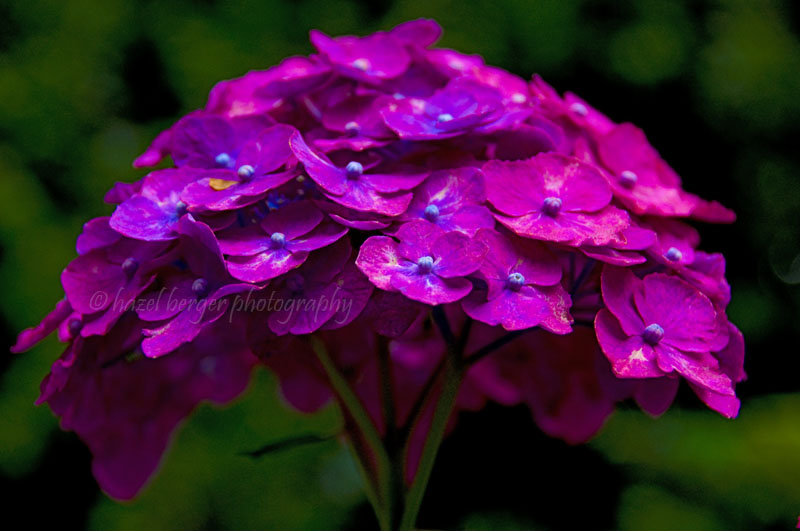
The window on the right pops up. Below, on the left below is a before picture. On the right is a photo that I adjusted and pulled the slider down to about 15%. This is plenty of highlights for most photographs. Notice you can now see the green underneath the flower (the shadow section).

And, as a final note, should Jim judge again, he prefers us to use glossy paper to pull in the full tonal range of colors. My image, Morning! placed 3rd in the color prints category this evening even though it was on matte paper!

www.cactushuggers.etsy.com has added a comment and I reworked the photograph below and included this new screen shot explaining his comment. I like this version of Pink Umbrella much more. Thank you.

Check the [Show More Options Button].
Then, this dialog box appears. I changed these sliders until I was happy with the image.
And, I end up with an even better photograph. Thank you so much! Which version do you like? This image, Pink Umbrella, is available in my Etsy shop.


May 30, 2010

People Photography Tips from Mark Alberhasky

Mark Alberhasky offered detailed critiques at the Roswell Photographic Society meeting on May 25th of our people photographs. The group has meetings twice a month. Once a month we bring our photographs in for critique and the other meeting is a lecture/workshop.

I learned a lot and want to share some of his comments. He said that photographs of people sell really well. He lectured that "It's not about taking the picture; it's about meeting the person." After you meet the person, then taking the photograph is easy. Mark's mentor taught him get close by cutting the distance between the subject and the camera in half to improve people photographs. And, to be more specific, he suggested shooting 360° around the subject. And, in contrast of getting close, he suggested shooting wide to crop later on. But these ideas apply to different scenes and situations.

Mark is a believer, like I am, of "shoot, shoot, shoot!" The more you shoot, the better the photos. Explaining, he said, "Shoot 20-30 until you get the one you want."

He talked a lot about lighting. He suggested using a rear sync setting on our cameras. He said to practice the background first and then add [just a little] flash. Mark said, "Use pop up flash in bright sun to add light on the face." This will help bring out the whites in the eyes. Look at the manual to see how to lessen the strength of the pop-up flash. During the critiques he suggested using the vibrance tool in lightroom. And of course, he said we will have to learn how to use artificial lighting if we want to make portraits.

Towards the end, he suggested writing down the idea you want to convey in the photograph. Other general comments that apply to all types of photography included a suggestion to make the image out of balance to "create energy in the frame." Continuing, Mark suggested running your eye around the frame and ask if there is anything you don't need in the frame.
Learn more about Mark Alberhasky on his site.

February 26, 2010

Kathryn Kolb Critques Motion Photographs

I learned a lot on Monday night during the Roswell Photographic Society's monthly critique. Kathryn Kolb pointed out positives and negatives about members' photos. Critique's theme was motion. Kathryn is a free-lance photographer living in Atlanta. She is also director of the new Serenbe Photography Center, located in Palmetto Georgia.
At the beginning of the critique Kathryn told us she would measure the images on the following:

Does it match the category (in this case motion)?
Does the image work or not?
Was it successful in communicating what the photographer intended overall?
Is this an image we've seen before?

Interesting enough there were many shots of "moving water" presented that weren't good illustrations of motion. I haven't really thought about that, but it clearly made sense during the review. The water was frozen in time, so it did not show motion. Some of the best motion shots were of a girl swinging, a swirling coke bottle, a train leaving the station and movement through a car tunnel. Kathryn said the swirling coke bottle formed a circular read on the photograph, which keeps the reader's eye in the shot longer, which made it better.

One shot that stuck out to me was a basketball "moving" outside of a picturesque barn with elements of the barn in the image. Kathryn suggested this shot worked more as fine art than as a movement shot because the ball, though blurred in motion, really served more as a design element in an image that was basically "still life."

Kathryn spoke about the weight of the subject. She explained that the item of emphasis needs more weight in the shot because the areas within a photograph have different visual "weights" and that the item of emphasis needs more weight than secondary elements in the shot. She said, "When there are equal weights we don't know what you want us to focus on." She also added that people in the photograph add emotions to shot.

Here is one of my motion images titled "Before the Game," which was not in the critique. And, certainly benefits from my new found knowledge from Kathryn Kolb.

February 05, 2010

John Mariana Speaks at Roswell Photographic Society

This past Monday John Mariana presented highlights from his two books to the Roswell Photographic Society's members. John showed us many photographs and illustrated the before (photoshop) and after versions of many shots. One of his suggestions was to darken the corners of the photograph using the burn tool.

I didn't realize that you can really change a photograph in camera raw before bringing it into photoshop. He showed us the sliders on the different screens within raw. Pictured to the right is a flower photograph that I altered only using camera raw. Not bad... I will note that you cannot view the photograph without the "layer" if you don't have layers, so this means you have to start over if you can't remember what you did to the photo.

Another tool John pointed out was the ability to change the color within the photograph using the targeted adjustment tool. This looks cool and could save a lot of time pulling out highlights in shadows for example. He used many other buttons duing our meeting, but I think it might be easier to buy the book then decifer my notes.

January 26, 2010

David Akoubian Judges RPS Critique

We had a great judge last night, Jan 25, 2010, at the Roswell Photographic Society's (RPS) monthly critique. David Akoubian was very succinct with his comments and funny. He is a nature photographer and holds many workshops. Visit his website at http://www.bearwoodsphotography.com/.

I learned a lot during the evaluations. David said, "Photography is painting with light." His strongest recommendation was to buy a polarizing filter. He suggested adding a filter to most of the water and sky shots. His pet peeve was not to leave some space between the edge of the photo and the subject, many subjects were cut off. There were many sunsets to judge last night, and he said that the sky should be the richest element in the image. To meter for it, he suggested metering for the brightest spot and opening up one stop.

David said our goal was to pull the viewer in visually and emotionally. He suggested verbalizing what we are doing before taking the photograph. David said, "I edit before I release the shutter."  Because the eye goes to the brightest thing first in the photo, this needs to be the subject or be toned down.

From the RPS photo review and David's comments, it seems like it would be smart to take one of his workshops.